**If you want to cut your screen time, just get a Brick**
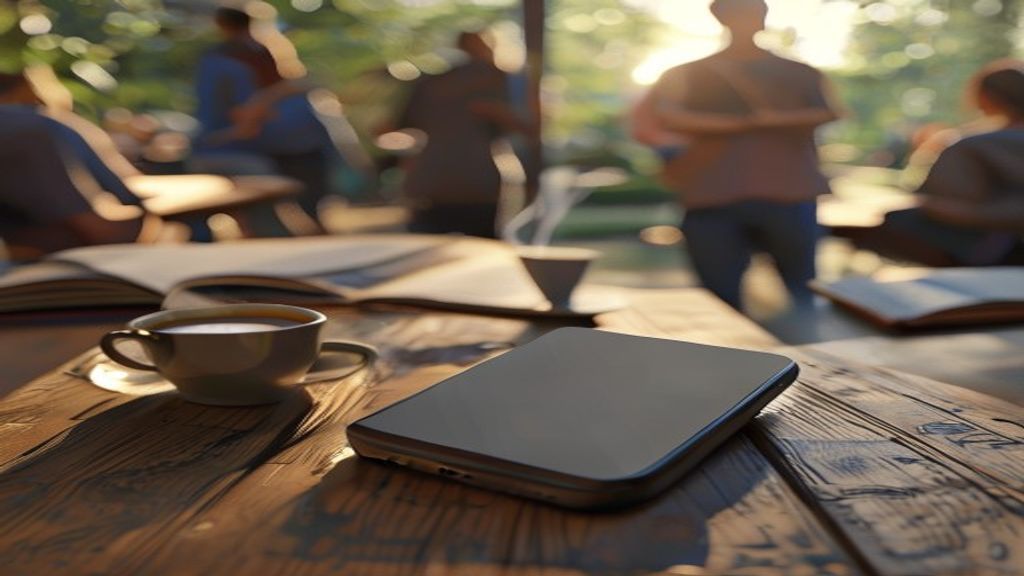
**For those battling persistent screen addiction and digital fatigue, an unexpected solution has emerged: “The Brick,” a minimalist device priced at $59. Stripping away the myriad distractions of modern smartphones, this basic handset reportedly empowers users to drastically reduce their digital engagement by offering only essential communication functionalities like calls and texts, proving that sometimes, less truly is more in the quest for digital wellness.**
In an era defined by ubiquitous smart technology and perpetual connectivity, the battle against excessive screen time has become a common modern struggle. From endlessly scrolling social feeds to constant notifications vying for attention, smartphones have blurred the lines between productivity and distraction. While countless apps and digital wellness features promise to help users disconnect, a surprising counter-trend is gaining traction: the return to ultra-basic, “dumb” phones. One such device, affectionately dubbed “The Brick,” epitomizes this minimalist movement, offering a starkly simple alternative to the complex digital ecosystems we’ve come to depend on.
### The Rise of the ‘Digital Dumbphone’ and The Brick’s Philosophy
The concept of a “dumbphone” isn’t new, harkening back to the feature phones of the early 2000s. However, their resurgence today isn’t born of technological limitation but a deliberate choice. For many, the relentless dopamine hits and attention fragmentation caused by smartphones have led to a collective yearning for digital decluttering. The Brick, with its starkly limited functionalities and an accessible price point, taps directly into this sentiment.
#### A Return to Simplicity
What makes “The Brick” effective isn’t what it *has*, but what it definitively *lacks*. Unlike modern smartphones bristling with high-resolution cameras, app stores, web browsers, and social media integrations, The Brick offers a streamlined experience focused solely on core communication:
* **Calling:** Making and receiving phone calls.
* **Texting:** Sending and receiving SMS messages.
* **Long Battery Life:** Often days, not hours, between charges.
* **Durability:** Built for function, not fragility.
By removing the temptation of endless apps, internet browsing, and social media feeds, The Brick acts as a physical barrier to digital distraction. It forces users to be intentional about their communication and, by extension, their use of time, redirecting focus away from the screen and back to the analog world.
### The Psychological Impact: Why Less Is More
The efficacy of a device like The Brick lies deeply rooted in human psychology and behavioral science. Modern smartphones are designed to be addictive, leveraging sophisticated algorithms and notification systems to maximize engagement. This constant bombardment can lead to:
* **Attention Residue:** The lingering cognitive load from switching between tasks, making it harder to focus on the current activity.
* **Decision Fatigue:** The mental exhaustion from constantly making choices, even seemingly small ones like deciding which app to open next.
* **Fear of Missing Out (FOMO):** The anxiety that one might miss important events or social interactions if not constantly connected.
In contrast, The Brick eliminates these psychological traps. There’s no Instagram to check, no news feed to scroll, no email to refresh. This radical reduction in digital stimuli creates a vacuum, compelling the user to seek engagement elsewhere – in hobbies, conversations, nature, or simply quiet contemplation. It’s a proactive rather than reactive approach to digital wellness, sidestepping the need for willpower against omnipresent distractions.
### Is The Brick for Everyone? Examining the Trade-offs
While appealing to those desperate for digital detox, The Brick isn’t a universal solution. Its effectiveness is directly tied to an individual’s specific needs and lifestyle.
Considerations for potential users:
* **Professionals:** Individuals whose work relies heavily on smartphone apps (e.g., email, video conferencing, specialized software) might find The Brick too restrictive for daily professional use.
* **Navigation & Travel:** Without GPS or mapping applications, navigating unfamiliar areas relies on traditional maps or other dedicated devices.
* **Emergency Situations:** While capable of calls, the lack of immediate internet access for information or specialized emergency apps could be a concern for some.
* **Social & Family Needs:** For those who use video calls to connect with distant family or rely on group messaging apps, The Brick would necessitate alternative communication methods.
| Feature | Typical Smartphone | The Brick (or similar ‘Dumbphone’) |
| :—————— | :————————————————— | :——————————————————- |
| **Primary Function** | Multitasking, communication, entertainment, productivity | Calls, Texts, Basic Communication |
| **Internet Access** | Full web browser, apps, Wi-Fi, mobile data | Minimal or none |
| **App Ecosystem** | Thousands of apps (social, games, productivity, etc.) | None |
| **Camera** | High-resolution, multiple lenses | Basic (if any), low resolution |
| **Battery Life** | Typically 1 day, sometimes less with heavy use | Multiple days, often a week or more |
| **Cost** | $200 – $1,200+ | ~$30 – $100 |
| **Distraction Level** | High | Low |
Ultimately, The Brick caters to a growing segment of individuals prioritizing mental well-being and a less cluttered digital life over constant connectivity and technological convenience. It represents a powerful statement: that regaining control over one’s attention might not require more sophisticated technology, but rather a deliberate return to analog simplicity. As the conversation around digital wellness evolves, devices like The Brick are likely to play an increasingly significant role, offering a tangible path to a more mindful relationship with our digital tools.
—
### Frequently Asked Questions (FAQ)
**Q1: What exactly is “The Brick” and what does it do?**
A1: “The Brick” is a minimalist mobile phone designed with extremely limited functionality. Its primary purpose is to enable basic communication, allowing users to make and receive phone calls and send/receive text messages. It intentionally lacks features common in modern smartphones, such as internet browsing, app stores, social media access, and advanced cameras, to help users reduce their screen time and digital distractions.
**Q2: How does a simple device like “The Brick” help reduce screen time more effectively than smartphone apps?**
A2: Unlike smartphone apps that rely on user discipline to restrict access, “The Brick” physically removes the *option* to engage with distracting content. By not having a web browser, social media apps, or an endless stream of notifications, it eliminates the environmental cues and psychological triggers that lead to excessive screen use. This “digital amputation” is often more effective than willpower alone, as it prevents the desire to engage from even arising.
**Q3: Who might benefit most from using “The Brick”?**
A3: Individuals who feel overwhelmed by constant digital connectivity, struggle with screen addiction, or seek to improve their focus and presence in the real world are ideal candidates. It can also be beneficial for students looking to reduce distractions, those undergoing a “digital detox,” or anyone wanting a secondary, robust phone for emergency use without the complexities of a smartphone.