**Tesla Settles Fatal FSD Crash Lawsuit Amid Intensifying Federal Investigations**
**Tesla has settled a lawsuit linked to a fatal 2023 crash involving a vehicle operating with its “Full Self-Driving” (FSD) advanced driver assistance system. While settlement terms remain confidential, this development unfolds as federal regulators, including the National Highway Traffic Safety Administration (NHTSA) and potentially the Department of Justice, continue their extensive scrutiny into the safety and marketing practices of Tesla’s autonomous driving technologies.**
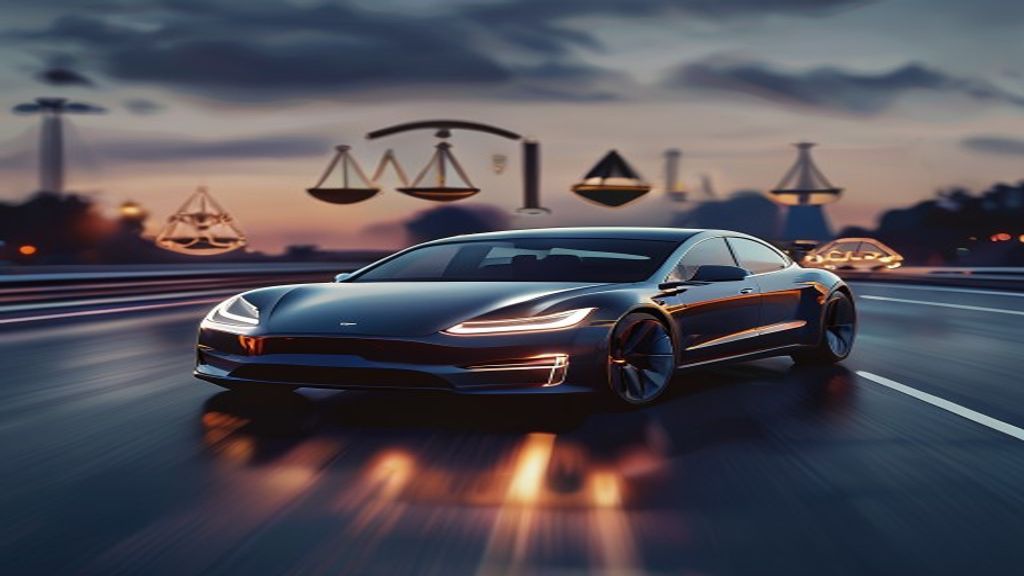
Tesla, the electric vehicle pioneer, has reached a confidential settlement in a lawsuit stemming from a tragic 2023 accident that resulted in a fatality. The incident involved one of the company’s vehicles utilizing its controversial Full Self-Driving (FSD) feature, an advanced driver assistance system (ADAS). This resolution comes at a pivotal time for Tesla, as both its technology and marketing face ongoing, robust federal investigations into their safety and operational claims.
The settlement, whose financial and specific terms have not been disclosed, draws a line under a significant legal challenge for the automaker. It also highlights the intricate and often fraught intersection of cutting-edge automotive technology, public safety, and legal accountability, particularly as vehicles become increasingly automated.
## The Confidential Settlement: A Strategic Resolution
While the specifics of the agreement between Tesla and the plaintiff’s family remain private, such settlements are common practice in complex liability cases. They often serve to mitigate prolonged litigation, avoid potentially damaging public trials, and prevent the extensive discovery of internal company documents. It is important to note that a settlement typically does not include an admission of fault or liability from the settling party.
### The Fatal 2023 Incident Under Scrutiny
The lawsuit was connected to a crash that occurred in early 2023, where a Tesla vehicle, reportedly operating with FSD engaged, was involved in a collision that resulted in a fatality. Details surrounding the precise circumstances of the crash, the role of the FSD system, and the actions of the human driver at the time have been central to the investigations and the now-settled lawsuit. These incidents underscore the critical need for clarity regarding the capabilities and limitations of ADAS systems, which, despite their sophisticated names, require constant driver supervision.
## Federal Probes Continue Unabated
The settlement of this private lawsuit does not, however, halt the broader and more significant federal inquiries into Tesla’s FSD and Autopilot systems. Both the National Highway Traffic Safety Administration (NHTSA) and the Department of Justice (DOJ) have been actively investigating various aspects of Tesla’s driver-assistance technologies.
### NHTSA’s Extensive Oversight
NHTSA, the primary U.S. automotive safety regulator, has been particularly active. Its Office of Defect Investigation has opened multiple probes into Tesla’s ADAS features, examining a range of incidents including crashes where emergency vehicles were struck, issues with phantom braking, and concerns over driver monitoring systems.
Key areas of NHTSA’s ongoing investigations include:
* **Driver Engagement:** Assessing whether Tesla’s systems adequately ensure drivers remain attentive and ready to take control.
* **System Limitations:** Evaluating the operational design domain (ODD) of FSD and Autopilot and their behavior in complex scenarios.
* **Marketing Claims:** Scrutinizing whether Tesla’s branding of “Full Self-Driving” accurately reflects the current Level 2 automation capabilities, which require full driver supervision.
* **Software Updates:** Reviewing over-the-air (OTA) software updates and their impact on vehicle safety and performance.
### Department of Justice’s Interest
The Department of Justice has also reportedly opened an investigation into Tesla’s marketing and representations concerning its FSD technology. This probe is believed to be examining whether Tesla has misled consumers or investors about the true capabilities of its ADAS systems. While less focused on the immediate technical safety, a DOJ investigation carries significant implications for corporate responsibility and potential regulatory enforcement.
## Broader Implications for Autonomous Driving Development
This recent settlement and the ongoing federal investigations serve as a stark reminder of the complexities inherent in developing and deploying advanced driver-assistance systems. The ambition to create fully autonomous vehicles is immense, but the journey is fraught with engineering, ethical, and regulatory challenges.
The incidents involving FSD highlight several critical industry-wide debates:
* **Nomenclature:** The use of terms like “Full Self-Driving” for systems that are demonstrably not fully autonomous raises questions about consumer expectations and potential over-reliance.
* **Regulatory Framework:** The evolving landscape of ADAS and AV technology often outpaces existing regulations, forcing agencies like NHTSA to adapt and develop new oversight mechanisms.
* **Public Trust:** Each incident, regardless of fault, can erode public trust in autonomous technologies, potentially hindering their broader adoption.
As the automotive industry continues its relentless pursuit of safer, more automated vehicles, the balance between innovation, transparency, and stringent safety standards remains paramount.
—
## Frequently Asked Questions About Tesla’s FSD and Recent Events
### What exactly is Tesla’s Full Self-Driving (FSD) system?
Tesla’s Full Self-Driving (FSD) is an advanced driver-assistance system (ADAS) suite designed to assist with navigation, lane changes, parking, and traffic light/stop sign recognition. Despite its name, FSD is considered a Level 2 automation system, meaning it requires active supervision from a human driver at all times. The driver is responsible for monitoring the road and being prepared to take control, as the system is not fully autonomous.
### What are the main concerns surrounding FSD technology and safety?
Key concerns include the potential for driver over-reliance due to the system’s sophisticated capabilities and misleading nomenclature, its performance in complex or unpredictable driving scenarios, and the effectiveness of Tesla’s driver monitoring systems in ensuring driver engagement. Federal regulators are investigating these aspects, particularly in relation to reported crashes and alleged misuse.
### How does this settlement impact the ongoing federal investigations into Tesla’s FSD?
The settlement of a private lawsuit, while significant for the parties involved, typically has no direct legal bearing on ongoing federal investigations by agencies like NHTSA or the Department of Justice. These federal probes operate independently, focusing on broader safety trends, regulatory compliance, and potential misleading claims across Tesla’s entire fleet and FSD program. They will continue to gather evidence, conduct analyses, and potentially issue findings or enforcement actions regardless of private legal outcomes.
—