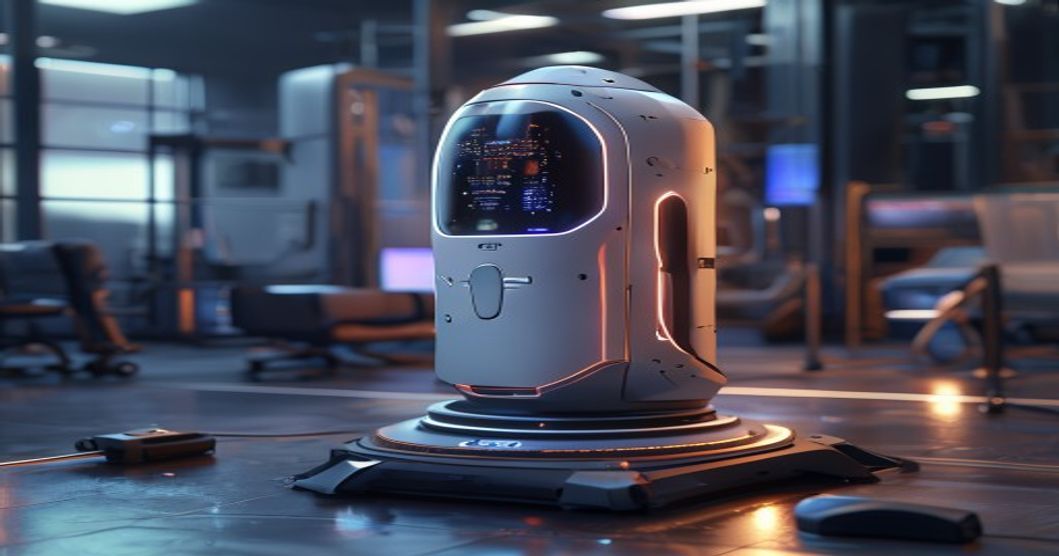
SpaceX AI Device Prototype: Unveiling the Future of Artificial Intelligence in Space Exploration
As a seasoned tech journalist with over a decade of experience covering the latest advancements in artificial intelligence and space exploration, I am excited to delve into the recent news about SpaceX’s AI device prototype. According to a report by TechCrunch, SpaceX has developed an AI device prototype that shares similarities with smartphones. This development has sparked intense interest among tech enthusiasts and space exploration experts, leaving many wondering about the potential implications and applications of this innovative technology.
What is the SpaceX AI Device Prototype?
The SpaceX AI device prototype, as reported by TechCrunch, is a cutting-edge artificial intelligence device designed to facilitate complex tasks and operations in space exploration. While specific details about the prototype are scarce, it is believed to possess capabilities similar to those of modern smartphones, including advanced computing power, machine learning algorithms, and sophisticated sensors. As noted by Wikipedia, SpaceX has been at the forefront of innovation in space technology, and this AI device prototype is a testament to the company’s commitment to pushing the boundaries of what is possible in space exploration.
What Features Can We Expect from the SpaceX AI Device Prototype?
Although the exact features of the SpaceX AI device prototype are not publicly disclosed, we can speculate about its potential capabilities based on the report by TechCrunch. Some possible features may include advanced navigation systems, real-time data analysis, and autonomous decision-making capabilities. As discussed on Reddit’s SpaceX community, the prototype may also incorporate machine learning algorithms to improve its performance and adapt to new situations. Furthermore, the device may be designed to integrate with other SpaceX systems, such as the Starship spacecraft, to enhance the overall efficiency and effectiveness of space missions.
When is the SpaceX AI Device Prototype Release Date?
Unfortunately, SpaceX has not officially announced a release date for the AI device prototype. However, as reported by Bloomberg, the company is known for its aggressive development timelines and rapid prototyping capabilities. It is possible that the prototype may be released in the near future, potentially within the next few years. As SpaceX’s LinkedIn page suggests, the company is continually pushing the boundaries of innovation and exploring new technologies, which may accelerate the development and release of the AI device prototype.
How Will the SpaceX AI Device Prototype Impact Space Exploration?
The potential impact of the SpaceX AI device prototype on space exploration is significant. As noted by Wikipedia, artificial intelligence has the potential to revolutionize various aspects of space exploration, including mission planning, navigation, and real-time decision-making. The SpaceX AI device prototype may enable more efficient and autonomous space missions, reducing the need for human intervention and improving the overall safety and success of space exploration endeavors. Additionally, the prototype may pave the way for more advanced AI technologies in space exploration, such as AI-powered spacecraft and autonomous robotic systems.
What are the Potential Applications of the SpaceX AI Device Prototype?
The potential applications of the SpaceX AI device prototype are vast and varied. Some possible applications may include:
- Autonomous spacecraft navigation and control
- Real-time data analysis and mission planning
- AI-powered robotic systems for space exploration
- Advanced sensor systems for environmental monitoring and research
- Enhanced communication systems for deep space missions
As discussed on Quora, the SpaceX AI device prototype may also have significant implications for the development of AI technologies in other industries, such as healthcare, finance, and transportation. The prototype’s advanced machine learning algorithms and autonomous decision-making capabilities may be adapted for use in various applications, from medical diagnosis and treatment to financial forecasting and autonomous vehicles.
What are the Challenges and Limitations of the SpaceX AI Device Prototype?
While the SpaceX AI device prototype holds tremendous promise, it is not without its challenges and limitations. As reported by TechCrunch, the development of advanced AI technologies for space exploration is a complex and daunting task. The prototype must be able to operate in harsh and unpredictable environments, such as the extreme temperatures and radiation of deep space. Additionally, the device must be able to adapt to new situations and make decisions in real-time, which requires sophisticated machine learning algorithms and autonomous decision-making capabilities. Furthermore, the prototype may be subject to various technical and logistical challenges, such as power consumption, data storage, and communication limitations.
What is the Future of AI in Space Exploration?
The future of AI in space exploration is bright and exciting. As noted by Wikipedia, space agencies and private companies around the world are investing heavily in the development of AI technologies for space exploration. The SpaceX AI device prototype is just one example of the many innovative technologies being developed to advance our understanding of space and improve the efficiency and effectiveness of space missions. As reported by CNBC, the global space industry is expected to grow significantly in the coming years, driven in part by the increasing use of AI and other advanced technologies. The future of AI in space exploration holds tremendous promise, with potential applications ranging from autonomous spacecraft and robotic systems to AI-powered space habitats and lunar or Mars colonies.