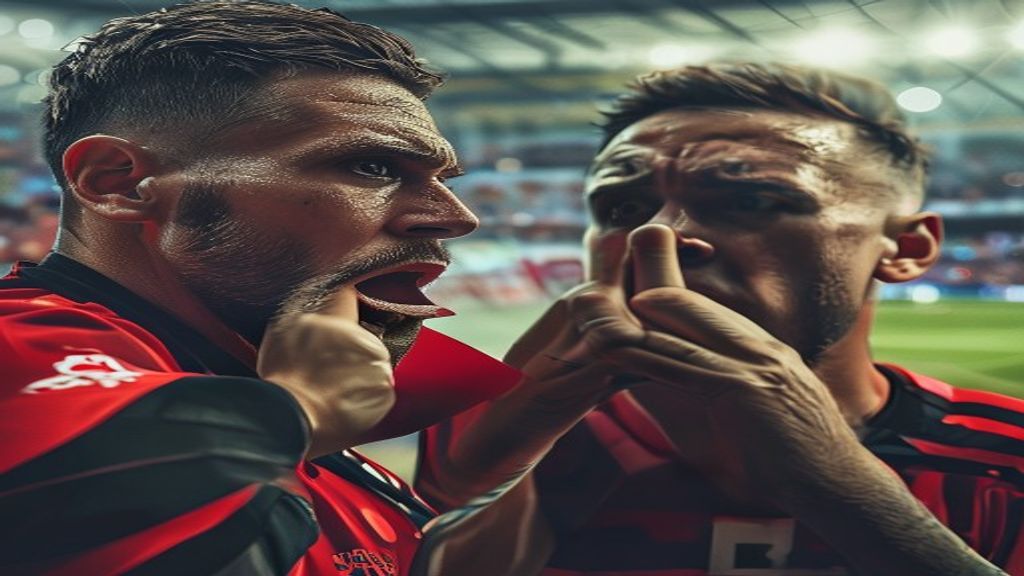
The intensity of the World Cup often boils over, leading to heated confrontations between players. While passion is part of the beautiful game, recent tournaments have seen a peculiar trend: referees issuing a red card in soccer not just for a foul, but for players covering their mouths while confronting an opponent. This seemingly innocuous gesture has become a flashpoint, raising questions among fans and pundits alike about the evolving soccer referee rules and the enforcement of player misconduct penalties. What exactly is driving this disciplinary action, and what does it mean for player conduct on the global stage?
**The Answer-First:** World Cup referees are issuing red cards to players who cover their mouths while confronting opponents primarily to prevent the use of offensive, insulting, or abusive language from being concealed and to maintain the integrity and spirit of fair play on the field. This action falls under broader guidelines concerning dissent and unsporting behavior, empowering officials to take a firmer stance against any conduct that undermines the game’s standards.
Decoding the Red Card in Soccer: Beyond the Obvious
For years, players have covered their mouths during on-field conversations – whether strategizing with teammates, or indeed, engaging in more heated exchanges with rivals. The practice was often seen as a way to prevent lip-readers, broadcast microphones, or even opposing benches from deciphering private conversations. However, the application of a red card in soccer for this particular act signifies a significant shift in how match officials are interpreting the spirit of the game and their duty to enforce World Cup discipline.
The Laws of the Game, as set by the International Football Association Board (IFAB), give referees considerable discretion when it comes to dissent and unsporting behavior. While there isn’t a specific rule stating “no mouth covering,” the action itself, when combined with a confrontation, can be interpreted as an attempt to hide verbal abuse or offensive language directed at an opponent or official. This proactive approach aims to nip potential trouble in the bud, ensuring football integrity remains paramount.
The Referee’s Mandate: Upholding Fair Play and Preventing Escalation
Referees at the World Cup are under immense pressure, and their decisions are scrutinized globally. Their mandate extends beyond simply applying the letter of the law; they are also charged with protecting the image of the sport and preventing situations from escalating. When a player deliberately covers their mouth during an aggressive confrontation, it creates an immediate suspicion that the words being exchanged are beyond the bounds of acceptable sportsmanship. By issuing a red card in soccer in such instances, officials are sending a clear message: any attempt to conceal potentially abusive behavior will not be tolerated.
This isn’t just about what is said, but the *intent* behind the action. The gesture, coupled with the heated nature of a confrontation, can be perceived as an act of defiance, an attempt to bypass accountability for one’s words. It’s a challenge to the referee’s authority to maintain order and respect on the field. In an age where every moment is captured by multiple cameras and analyzed exhaustively, these stricter interpretations are part of a broader push for greater transparency and ethical conduct in professional football.
Player Adjustments and Future Implications for World Cup Discipline
Players will undoubtedly need to adapt their behavior to these heightened standards. While passionate exchanges are part of the game, the line between acceptable dissent and punishable misconduct is becoming clearer. This focus on preventing verbal abuse, even if veiled, aims to create a more respectful environment for all participants. As fans stay tuned to every development, whether it’s a surprising trade in another sport or new deals hitting the market, like those during Amazon prime day 2026 alexa deals, the global sports conversation continually evolves, with fair play and ethical conduct now taking center stage in football’s biggest tournament.
This rigorous enforcement sends a strong message: while emotions run high, respect for opponents and officials, as well as adherence to the spirit of the game, must prevail. It reflects an ongoing effort by FIFA and refereeing bodies to ensure that football remains a sport enjoyed for its skill and drama, untainted by unsporting conduct.
Frequently Asked Questions About Red Cards and Player Conduct
-
**Q: Is there a specific rule against covering your mouth in soccer?**
A: There isn’t an explicit rule stating “no mouth covering.” However, when combined with an aggressive confrontation, it falls under broader categories like unsporting behavior, dissent, or using offensive/abusive language, which are clearly outlined in the Laws of the Game.
-
**Q: Why do players cover their mouths normally?**
A: Players typically cover their mouths to prevent lip-reading by opponents, coaches, or media, especially when discussing tactics, private matters, or when engaging in casual banter they don’t wish to be public.
-
**Q: What constitutes a red card offense in this context?**
A: A red card for mouth covering usually occurs when the referee interprets the action, in conjunction with a confrontation, as an attempt to hide offensive, insulting, or abusive language, or as an act of aggressive dissent towards an opponent or official. It’s often the *context* and *intent* that elevate it to a sending-off offense.
-
**Q: How does this decision impact the flow of the game?**
A: A red card significantly impacts the game, as the team is reduced to ten players. For players, it means they must be extra vigilant about their conduct and how their gestures might be perceived, especially during tense moments.