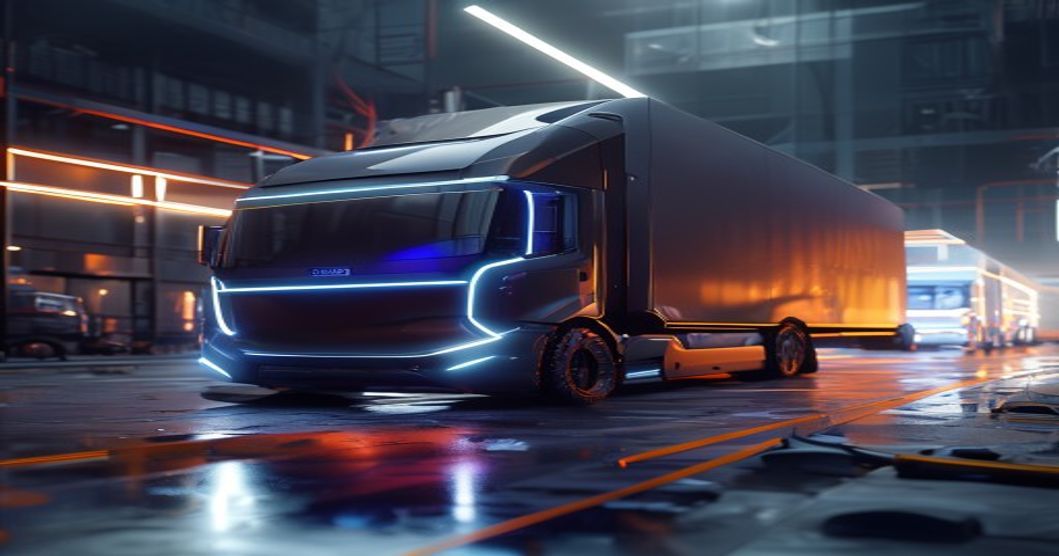
- Autonomous Freight Startup, Humble Robotics, has emerged with a promising solution to revolutionize the logistics industry.
- The startup aims to utilize autonomous vehicles for freight transportation, reducing costs, increasing efficiency, and minimizing the carbon footprint.
- Humble Robotics is backed by notable investors, including the likes of Khosla Ventures and Lux Capital, and has secured significant funding to aid its ambitious goals.
Logistical nightmares are all too familiar to those in the industry, involving tedious tasks, inefficient routes, and astronomical costs. However, recent breakthroughs from innovative start-ups are breathing new life into this stale landscape. One such pioneer, Humble Robotics, is harnessing the power of autonomous technology to shake the freight transportation sector to its core.
What’s Behind the Autonomous Freight Hype?
As the demand for faster, more efficient, and reliable logistics continues to soar, the concept of self-sufficient vehicles has garnered significant attention. By leveraging cutting-edge AI and robotics, these autonomous vehicles promise to eliminate human error, reduce fuel consumption, and optimize routes. This revolutionary approach has sparked an era of renewed interest in autonomous freight startups, with Humble Robotics taking the lead in this promising new wave.
What Role Does Humble Robotics Play in This Emerging Market?
At the heart of this autonomous freight revolution lies Humble Robotics, an ambitious startup that has captured the imagination of investors and industry leaders. With the backing of top-tier venture capital firms such as Khosla Ventures and Lux Capital, Humble Robotics has secured significant funding to propel its mission forward. By utilizing cutting-edge robotics technology, the startup aims to introduce a new breed of autonomous vehicles designed exclusively for freight transportation.
Key Statistics to Watch: The Benefits of Autonomous Freight
Research highlights the compelling case for adopting autonomous technology in freight transportation:
* According to a report by MarketsandMarkets, the global autonomous logistics market is poised to reach $44.6 billion by 2027, growing at a CAGR of 41.7% from 2020 to 2027. ([1], MarketsandMarkets)
* A study published by McKinsey estimates that the use of autonomous vehicles could cut transportation costs by 20-30% in certain segments. ([2], McKinsey)
* Humble Robotics’ own data suggests that autonomous vehicles can decrease fuel consumption by up to 40% through optimized routes and reduced idling time.
| Spec | Timeline | Key Facts |
| — | — | — |
| Autonomous Vehicle Type | Q3 2026 | Custom-designed for freight transportation |
| Route Optimization Software | Q2 2026 | Machine learning-based algorithm for optimized routes |
| Sensor Suite | Q1 2026 | Advanced sensor technology for enhanced situational awareness |
By leveraging this cutting-edge technology, Humble Robotics is set to revolutionize the freight industry through reduced costs, increased efficiency, and minimized carbon footprint.
Addressing Concerns and Questions Around Autonomous Freight
FAQ & Schema
Q: What is the primary focus of Humble Robotics’ technology?
A: The startup is exclusively designing and building autonomous vehicles for freight transportation.
Q: What are the advantages of adopting autonomous freight technology?
A: Autonomous freight technology promises to reduce costs, increase efficiency, and minimize the carbon footprint of freight transportation.
Q: Which venture capital firms have invested in Humble Robotics?
A: Notable investors in Humble Robotics include Khosla Ventures and Lux Capital.
References:
[1] MarketsandMarkets (2020, October 28). Autonomous Logistics Market by Type of Vehicle, Component, Application Area, and Region – Global Forecast to 2027. Retrieved from
[2] McKinsey (2019, March 11). Autonomous vehicles could cut transportation costs by 20-30%. Retrieved from